West Midlands Metal
Downtuned riffs from a factory city — Sabbath to grindcore, four decades of Birmingham making music heavier.
What you're really asking
This isn't a genre question, it's a geography question. Birmingham and the Black Country were the engine room of British manufacturing, and every twenty years the music coming out of them got slower, faster or uglier than anything else in the country.
The thread isn't a sound — it's a method: take the blues, or punk, or metal itself, and strip it down to weight and repetition.
Where it sits
Aston, 1968. Four lads who'd worked in sheet metal and factories rename themselves Black Sabbath after a Boris Karloff film.
Tony Iommi lost the tips of two fingers on his last day at a sheet metal plant, wore homemade plastic thimbles, and slackened his strings to ease the pressure — the detuning that became the genre's default.
West Bromwich answered with Judas Priest, who swapped blues shuffle for twin leads and leather. Stourbridge produced Diamond Head in 1976; Metallica later built half a career on their songs.
Then 1985: Napalm Death, teenagers from Meriden and Birmingham, playing anarcho-punk at ludicrous speed in Sparkhill. Daz Russell, promoter of the Mermaid club in Birmingham, had made them essentially the punk house band.
Earache Records in Nottingham pressed it. Grindcore existed.
Godflesh came out of the same bedrooms in 1988 and swapped drummers for a machine.
The scene
Who: Iommi and Butler in Aston; Halford, Tipton and Downing in West Brom; Brian Tatler in Stourbridge; Mick Harris, Nik Bullen, Justin Broadrick and Lee Dorrian around the Mermaid in Sparkhill.
The rooms: Rich Bitch in Selly Oak, an eight-track where side A of Scum was cut for £50 in August 1986. What: low tunings, flattened fifths, riffs built on repetition rather than resolution, vocals that bark or wail with nothing in between.
How a record gets in: it has to be made by people from these postcodes who took an existing form and made it physically heavier — more weight, more speed, or more machine.
The leading records
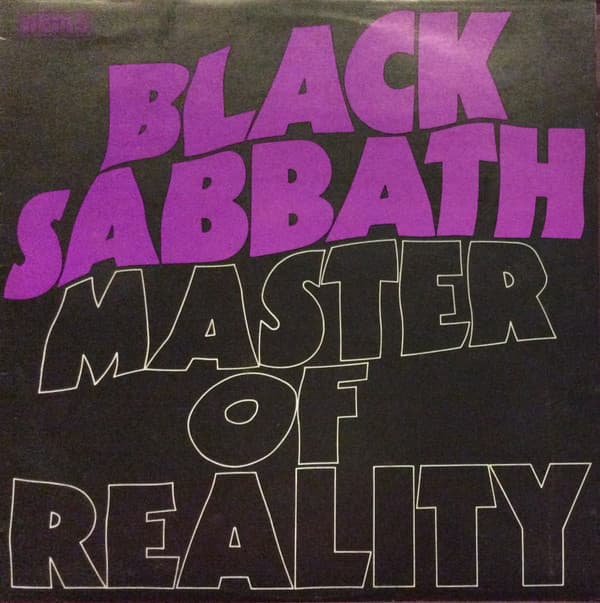
Black Sabbath
Master Of Reality
1971
Iommi drops to C# across most of the album — the tuning that every doom band since has copied.

Judas Priest
Screaming For Vengeance
1982
The Black Country band that cracked American radio; twin guitars, falsetto, and the leather-and-studs uniform Halford lifted from Soho fetish shops.
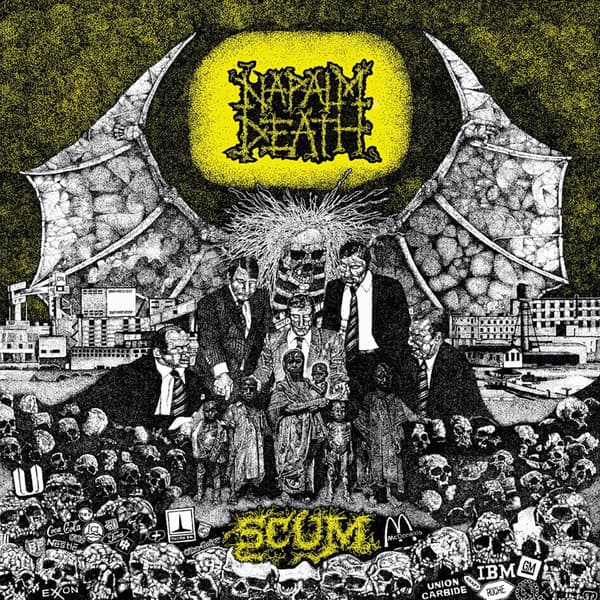
Napalm Death
Scum
1987
Two sides recorded by two different lineups a year apart, with only drummer Mick Harris on both.
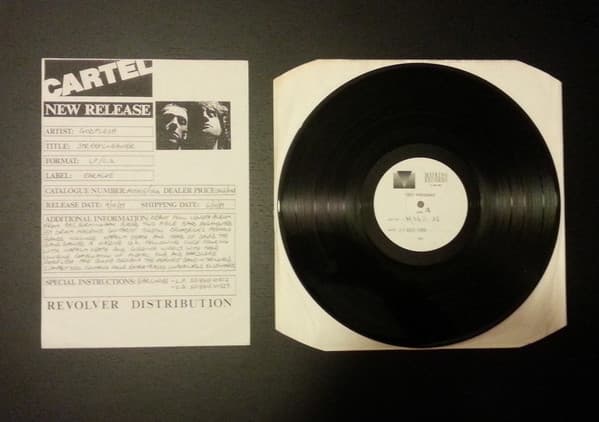
Godflesh
Streetcleaner
1989
Broadrick left Napalm Death after side A of Scum and replaced the drummer with a drum machine — metal reassembled as industrial repetition.
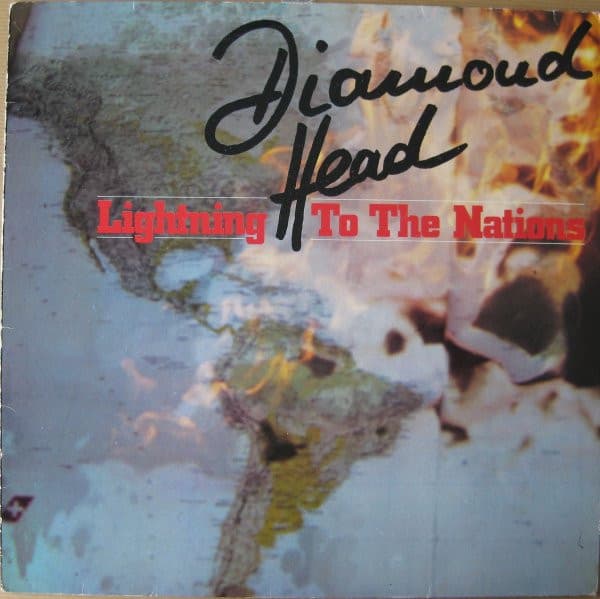
Diamond Head
Lightning To The Nations
1980
First press of 1,000 came in a plain white sleeve with no title or tracklist, each copy signed by one band member, 250 each.
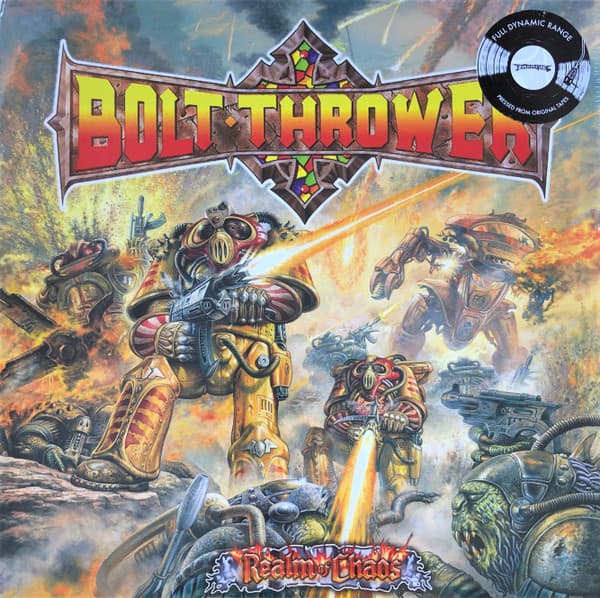
Bolt Thrower
Realm Of Chaos
1989
Coventry death metal licensed to Warhammer 40,000 artwork — the mid-paced grind that split the difference between Napalm Death and Sabbath.
Oddballs
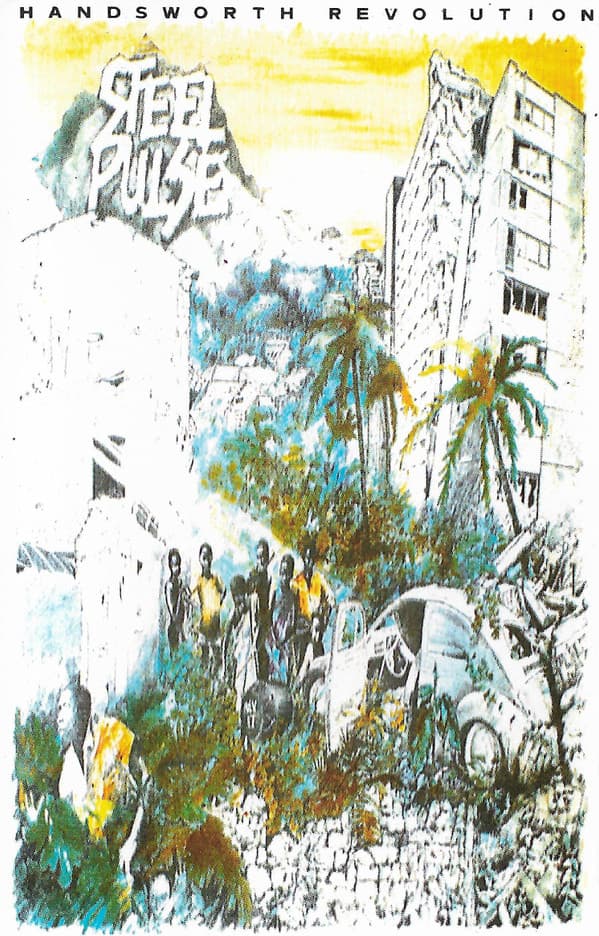
Steel Pulse
Handsworth Revolution
1978
Birmingham's other bass culture, two miles from Aston — the sound system weight that Godflesh and Scorn later fed back into metal.
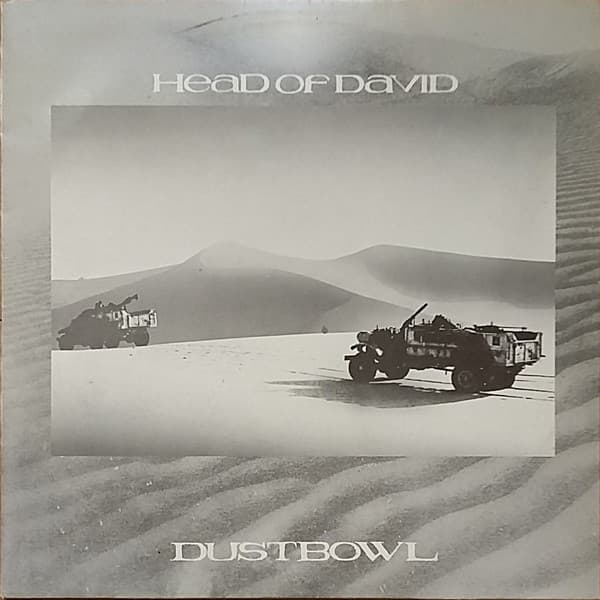
Head of David
Dustbowl
1988
Dudley noise-rock on Blast First with Broadrick on drums; the band also co-produced side A of Scum.
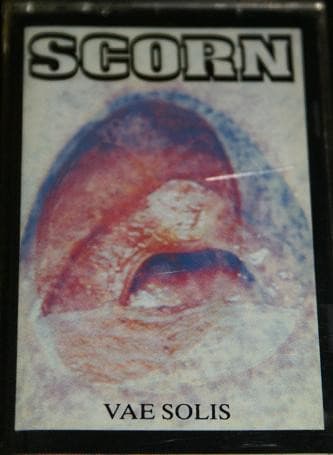
Scorn
Vae Solis
1992
Harris and Bullen from Napalm Death's first lineup, slowing grindcore down into dub and dragging the tempo to a crawl.
Keep digging
- Where does Birmingham doom go after Sabbath?
- What else came out of Earache's first ten releases?
- Which Peel Sessions documented the Mermaid bands?